How to Scent an Open-Concept Home Without Overwhelming It

An open-concept home can feel bright, social and spacious, but fragrance behaves differently when the kitchen, dining area, living room and entryway share the same air. A scent used in one zone can travel farther than expected, while cooking aromas, ventilation and movement can change how it is perceived across the room.
The goal is not to make every corner smell identical. A better approach is to create one coherent atmosphere, then adjust the intensity according to how each area is used. This makes the space feel connected without turning fragrance into the most noticeable feature in the room.
This guide explains how to scent an open-concept home without overwhelming it. You will learn how to map the space, choose between home spray and diffuser oil, coordinate compatible scent profiles and build a routine that adapts to meals, gatherings and everyday life. If you are still deciding on an overall direction, begin with our home fragrance guide for every space.
1. Treat the Open Space as One Shared Atmosphere
In a closed floor plan, a door can separate the fragrance in one room from the next. In an open-concept layout, scent travels through the full shared area. That means a powerful fragrance in the living room may also reach the dining table, the kitchen and the entrance. Plan for the whole environment rather than treating each zone as an independent room.
Start by deciding how you want the shared area to feel. A clean, refined atmosphere can support both daily routines and entertaining. A fresh aromatic profile can suit an active daytime space. A warm, enveloping scent can make an evening feel more intimate. Naming the mood first helps you avoid products that compete with one another.
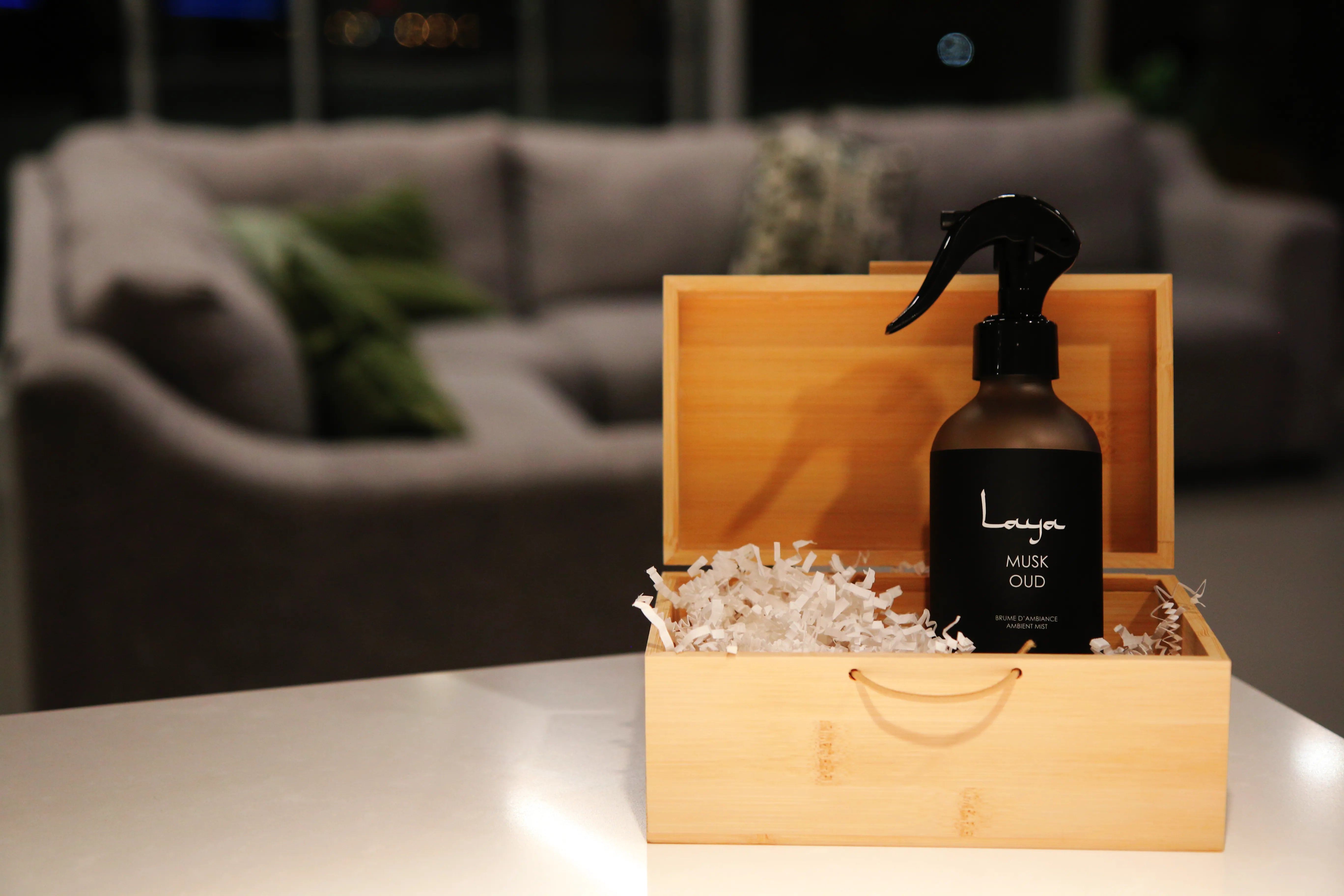
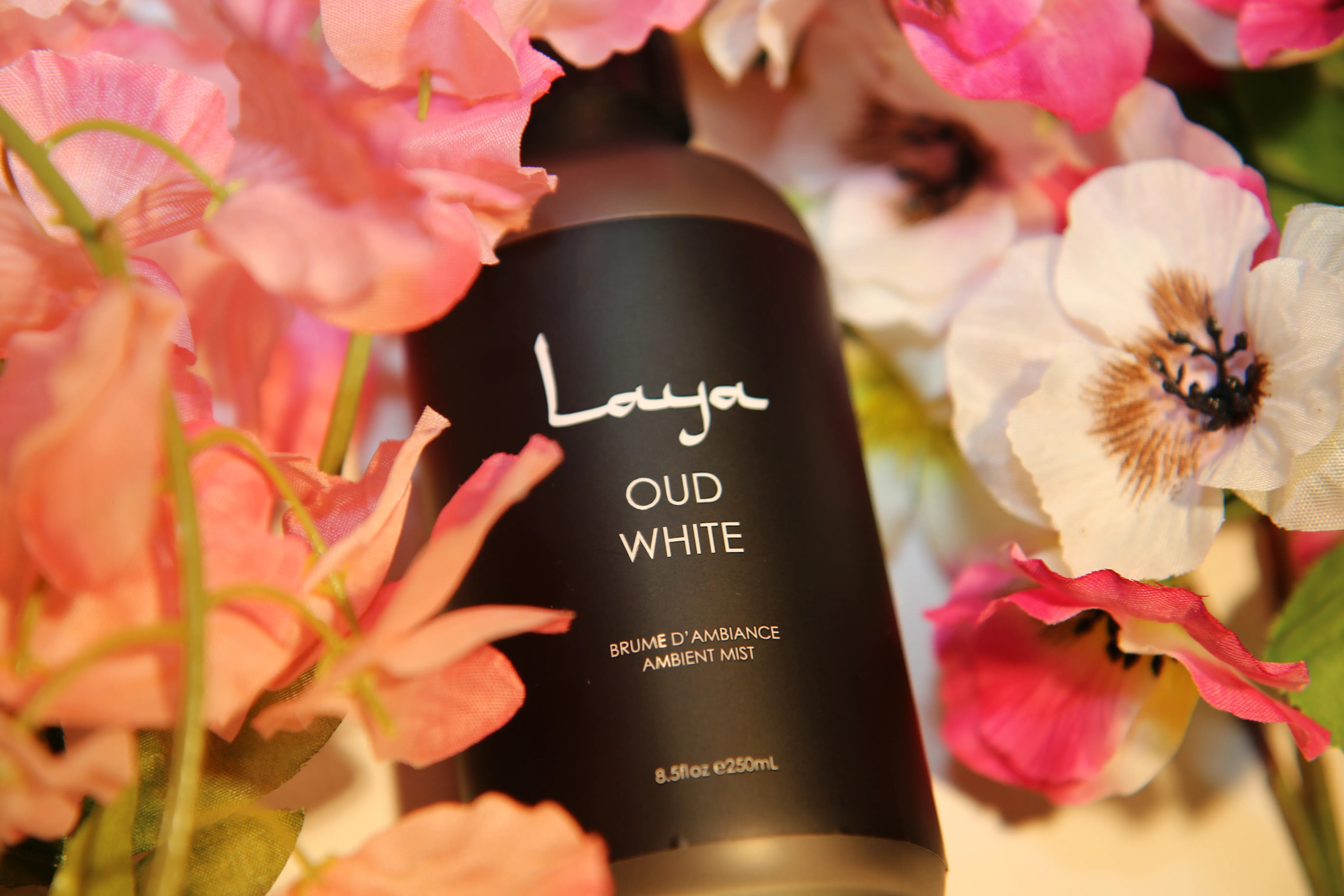
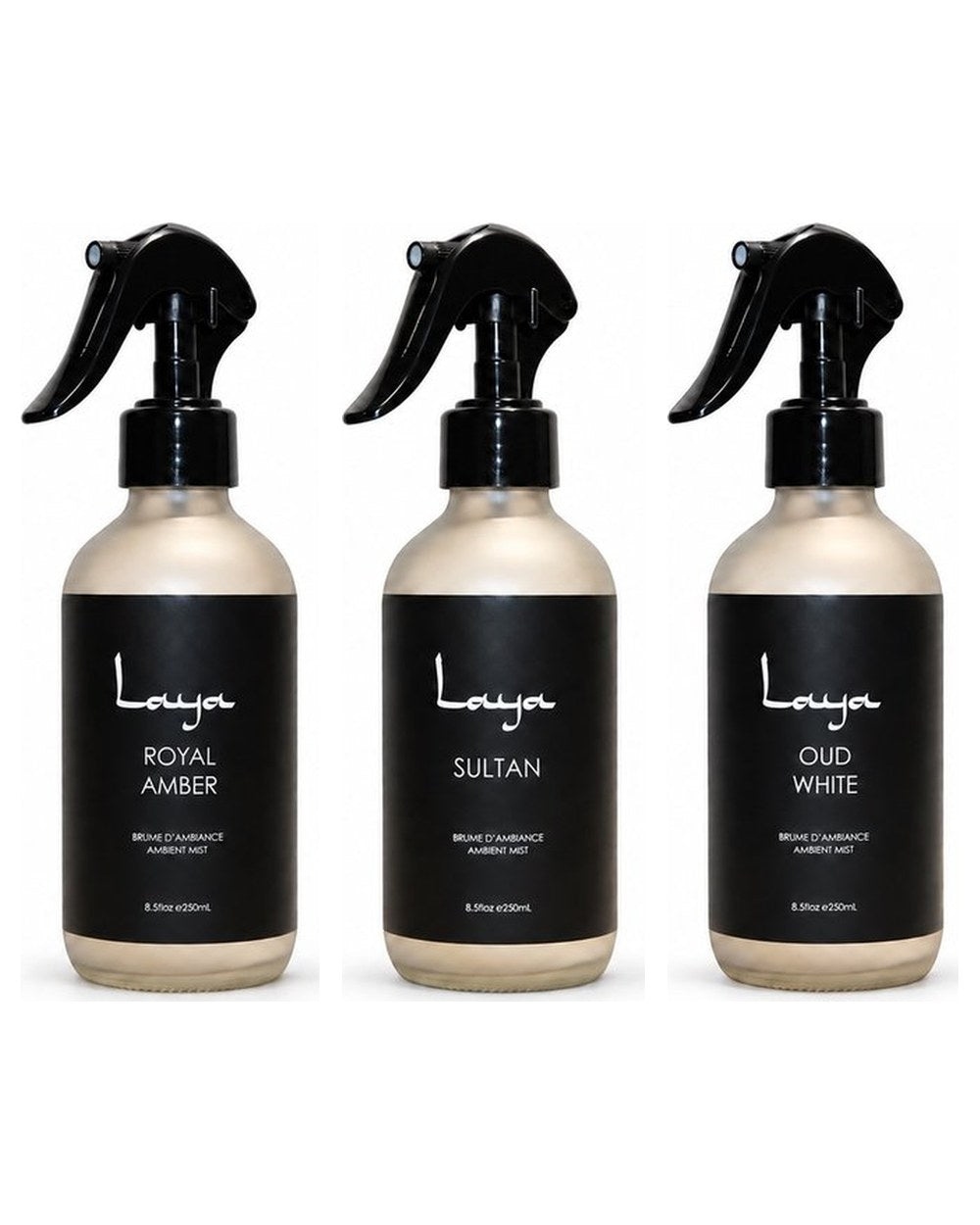
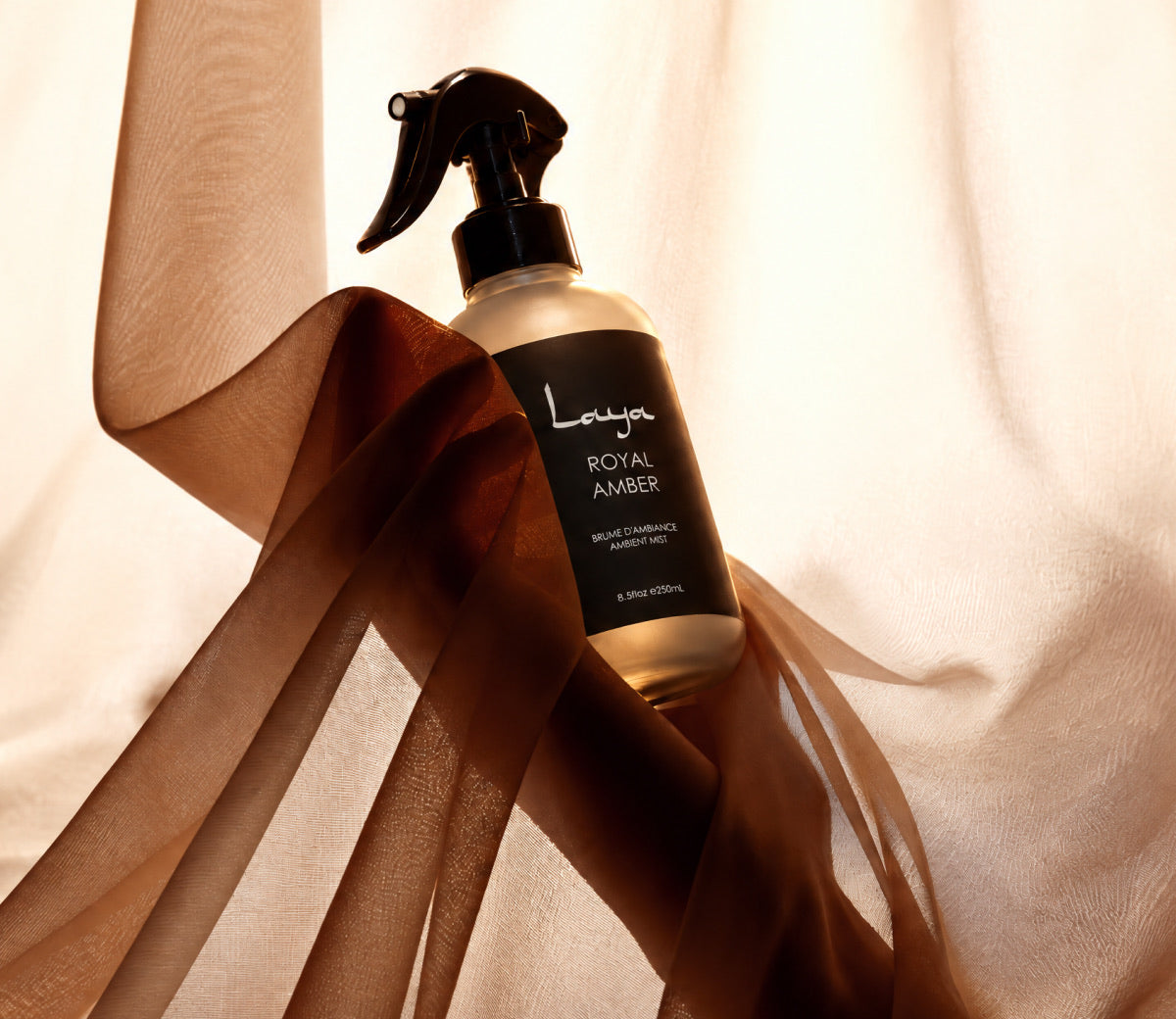
Oud White, with white oud, soft musk and delicate floral notes, offers a versatile clean character for connected spaces. Sultan brings eucalyptus, fresh mint and herbal undertones for a crisper impression. Musk Oud is warmer and woodier, while Royal Amber adds sweet caramel, vanilla and golden amber.
Choose one direction as the anchor. You can introduce a subtle variation later, but the main profile should remain recognizable from the entrance to the living area. If you are comparing moods, our fresh versus warm home fragrance guide explains how each style changes the character of a room.
Coherence does not require uniform intensity. The living area can carry the main fragrance while the kitchen remains lighter. The entryway can offer a brief introduction without being the strongest point. One atmosphere with controlled variation feels more natural than several unrelated fragrances meeting in the middle.
2. Map Fragrance Zones, Airflow and Daily Activity
Before placing any product, observe how air and people move through the space. Note the path from the front door to the seating area, where windows or vents create drafts, where food is prepared and where people spend the most time. These patterns determine how quickly fragrance travels and where it may become concentrated.
The main scent zone is usually the living area because it is where people relax and remain for longer periods. The entryway acts as a transition, while the kitchen and dining area need more flexibility. Cooking and meals already produce their own aromas, so these zones generally benefit from lower fragrance intensity.
Airflow can make one product seem stronger in a distant area than beside the source. A diffuser near a vent, fan or frequently opened door may distribute fragrance unpredictably. Follow the device manufacturer’s placement instructions and start with a conservative setting. Evaluate the scent from several positions instead of only standing next to the diffuser.
Room size matters, but the effective scented area is not simply the total square footage. Ceiling height, furniture, partitions and ventilation influence how fragrance moves. A partially divided kitchen may behave differently from a completely open loft. Make one small adjustment at a time so you can understand its effect.
Address competing odours before adding fragrance. Empty waste, clean cooking surfaces and ventilate when conditions allow. Fragrance works best after odour sources have been removed rather than as a cover. Our kitchen fragrance guide offers more detail for the food-preparation zone.
Finally, consider timing. The same space may need a fresh, light approach during breakfast, very little fragrance while dinner is served and a warmer atmosphere later in the evening. Mapping activity as well as architecture helps the fragrance support the home instead of interfering with it.
3. Choose the Right Format for Control and Continuity
Home spray and diffuser oil can both work in an open-concept space, but they solve different problems. A home spray provides immediate, adjustable fragrance. It is useful when you want to refresh the living area after cleaning, prepare the space before guests arrive or change the atmosphere without running a device continuously.
The Home Sprays collection includes four profiles in 250 mL formats. Oud White Home Spray creates a soft, sophisticated background. Sultan Home Spray offers crisp aromatics. Musk Oud Home Spray adds woody warmth, and Royal Amber Home Spray provides a sweeter amber character.
Apply home spray lightly into the air as directed, away from delicate surfaces, and allow it to disperse before deciding whether more is needed. In an open layout, several small applications in different places can quickly add up. Begin in the main living zone rather than spraying every functional area.
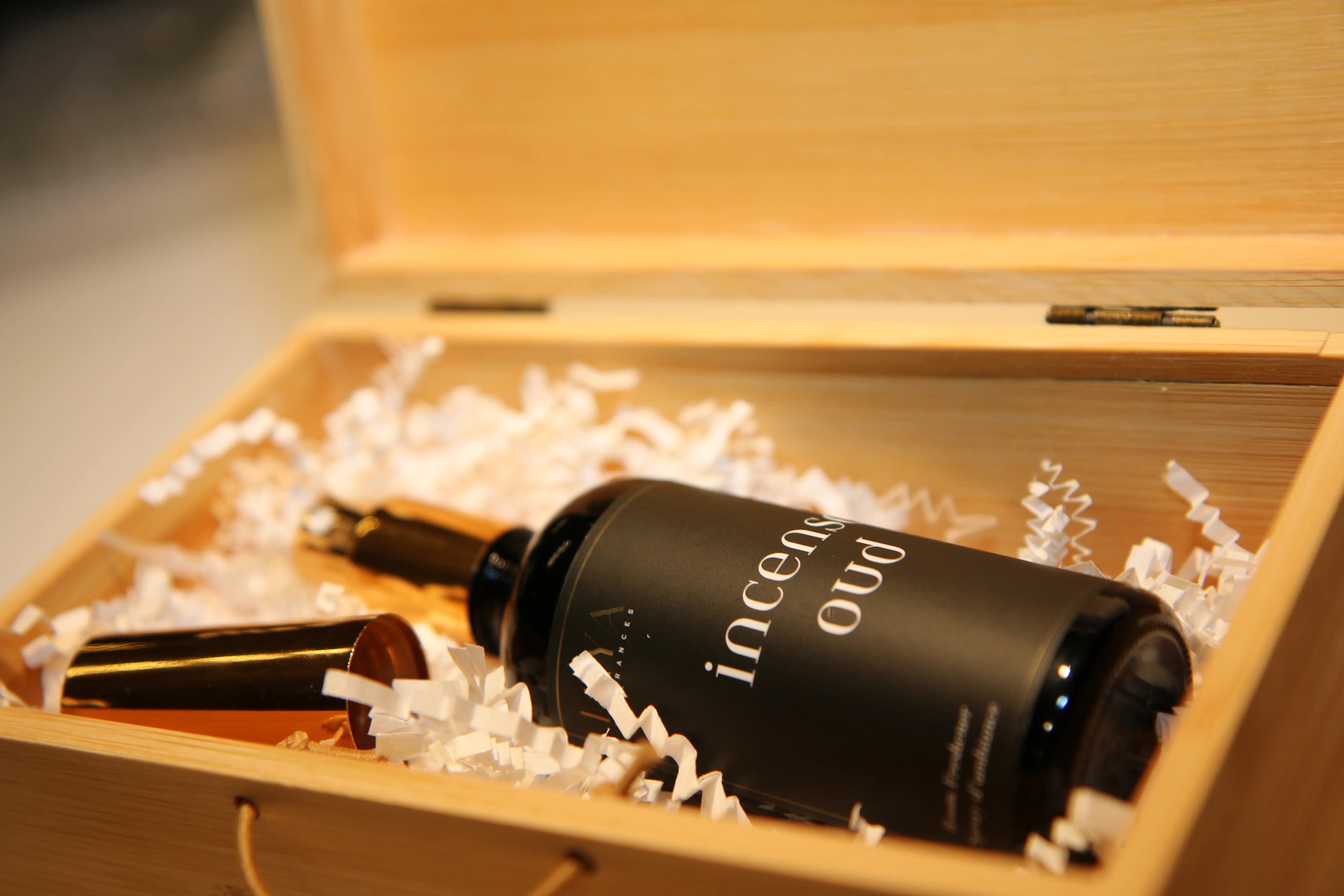
Diffuser oil provides a steadier background when used in a fragrance-compatible diffuser according to the manufacturer’s instructions. The Diffuser Oils collection offers Oud White, Sultan, Musk Oud and Royal Amber in concentrated 30 mL formats. A diffuser can serve as the anchor for the shared area when you want continuity over time.
Because the space is connected, one well-positioned diffuser may be enough. Start with a small amount of oil and a conservative device setting. Give the scent time to circulate before making changes. Increasing the amount, setting and number of fragrance sources simultaneously makes it difficult to identify what caused an overly strong result.
If you are unsure which format fits your routine, see our comparison of home spray versus diffuser oil. You can also consult the practical guides on using home spray and using diffuser oil.
4. Layer Compatible Profiles Without Creating Scent Clutter
Layering can help define zones in an open-concept home, but it requires restraint. The purpose is to create a gentle transition, not to give the entryway, kitchen and living room completely different identities. Begin with one anchor profile and ask whether a second scent adds a useful contrast or simply adds more fragrance.
The easiest approach is to use the same profile in two formats. For example, Oud White diffuser oil can provide a steady background while Oud White Home Spray offers a light refresh before guests arrive. The scent remains coherent because the notes are shared, yet the timing and intensity can be controlled separately.
A second option is to combine related moods rather than identical fragrances. Oud White and Musk Oud both include oud and musk elements, but one feels cleaner and softer while the other is warmer and more enveloping. Used lightly, the transition can move from a refined entrance to a cozier living area without feeling disconnected.
Sultan can provide a fresh daytime accent, especially near an active shared zone, while a softer anchor remains in the living area. Royal Amber is richer and sweeter, so it is generally best treated as the focus rather than one of several strong layers. Its caramel, vanilla and amber character can be particularly effective for a relaxed evening.
Avoid placing two strong fragrance sources where their airflow paths meet. Instead, separate them by function and reduce the intensity of each. Walk through the entire space after the scents have settled. If you can clearly identify several competing products at once, simplify the combination.
Our guide to layering home fragrances without overwhelming your space covers scent families, zones and transitions in more detail. The same principle applies here: a clear anchor, one compatible accent at most and enough unscented air between them.
5. Build a Flexible Routine for Cooking, Guests and Everyday Life
An open-concept home does not need the same fragrance intensity all day. Create a routine around what is happening in the space. During quiet daily use, a low diffuser setting or an occasional light home-spray application may be enough. The fragrance should remain part of the background.
Before cooking, avoid adding more scent simply because the room feels neutral. Food aromas will soon change the environment. After cooking, clean surfaces, remove waste and ventilate when appropriate. Once the food aromas have cleared, reassess the space before reintroducing fragrance.
When guests are coming, prepare the shared area in stages. Address odour sources first, then establish the main scent early enough to settle. Step outside briefly and return through the front door to evaluate the atmosphere with a fresher nose. Our guide to scenting your home before guests arrive provides a complete timeline.
Do not automatically add fragrance when you stop noticing it. Continuous exposure can make a familiar scent seem weaker even when it remains noticeable to someone entering the home. Read our explanation of nose blindness and olfactory adaptation before increasing the amount.
Season and weather can also change the routine. Open windows and stronger ventilation may disperse scent more quickly, while a closed home may retain it longer. Warm, sweet profiles can feel more prominent in a tightly sealed room, so adjust intensity rather than assuming the same setting will work every day.
Follow all product and diffuser instructions. Avoid direct application on delicate surfaces, test fabrics in an inconspicuous area when directed, and keep fragrance products away from dining surfaces, heat and places where they could be knocked over. Do not ingest them or apply them to skin, and keep them out of reach of children and pets.
Conclusion
Scenting an open-concept home is less about adding more fragrance and more about managing one shared atmosphere. Choose a clear scent direction, study airflow and activity, then decide whether the immediate control of a home spray or the steady background of diffuser oil best supports the space.
Use the living area as the main fragrance zone, keep the kitchen flexible and let the entryway introduce the mood without dominating it. If you layer products, stay within the same profile or combine closely related moods at low intensity. A routine that adapts to cooking, guests, ventilation and daily life will feel more comfortable than a fixed high setting.
Oud White offers versatile refinement, Sultan brings aromatic freshness, Musk Oud creates woody warmth and Royal Amber adds sweet amber depth. The best choice is the one that supports how your open space is actually used—and remains pleasant from the first step inside to the place where you settle.
FAQ: Scenting an Open-Concept Home
Where should I place fragrance in an open-concept space?
Begin in the main living zone, away from dining surfaces, direct heat and strong drafts. Follow the diffuser manufacturer’s placement instructions and evaluate the scent from the entryway, seating area and kitchen before adding another source.
Is one diffuser enough for an open floor plan?
It may be, depending on the layout, ventilation, ceiling height, device and desired intensity. Start with one compatible diffuser at a conservative setting and allow time for circulation before considering a second source.
Can I use different scents in the kitchen and living room?
Yes, but choose compatible profiles and keep at least one of them subtle. Since the air is shared, unrelated strong scents can compete. One anchor fragrance with a light accent usually creates a more coherent result.
Should I use fragrance while cooking?
Keep fragrance minimal while preparing or serving food. Clean and ventilate first, let cooking aromas clear, then reassess whether the shared space needs a light refresh.
Which Laya fragrance works well in an open-concept home?
Oud White offers a clean, versatile background; Sultan feels fresh and aromatic; Musk Oud is warm and woody; and Royal Amber is sweet and rich. Choose according to the mood, time of day and activity in the space.
Journal
Stories, rituals & scent notes


Follow us on Instagram
and be part of the Laya story
@layafragrances