How Much Home Fragrance Should You Use? A Practical Guide

One of the most common home-fragrance questions has no universal numerical answer: how much should you use? The right level depends on the room, the fragrance format, airflow, placement and your own preferences. A quantity that feels balanced in an open living room may feel overwhelming in a small bathroom or home office.
The most reliable approach is to start lightly, observe the room over time and change one variable at a time. This guide explains how to do that with home sprays and concentrated diffuser oils, without pretending that every bottle, device or space behaves in the same way.
1. Understand Why More Fragrance Is Not Always Better
Home fragrance works best when it supports the room rather than dominating it. Adding more product can increase intensity, but it can also make individual notes harder to appreciate. A rich oud, soft musk or fresh aromatic profile still needs space to circulate and settle.
Your first impression is not always the best measure. A home spray is naturally more noticeable immediately after misting, then softens as it disperses. A diffuser may build presence gradually. Judging either format too quickly can lead to unnecessary additions before the fragrance has reached its normal character.
Olfactory adaptation also matters. After spending time around the same aroma, you may notice it less even though someone entering the room can still smell it. Repeatedly adding product to chase that first impression can make the space too strong for guests. Our guide to nose blindness explains this effect in more detail.
Think of fragrance level as adjustable, not permanent. Begin below the intensity you expect to want, leave the room briefly and return. If the scent is clear but not demanding attention, the level may already be sufficient. If it disappears entirely after the source has had time to work, make one modest adjustment.
2. Let Room Size, Airflow and Materials Guide You
Room size is important, but square footage alone does not determine the answer. Ceiling height, open doorways and connected spaces affect how fragrance travels. A small room with strong ventilation may clear quickly, while a larger room with little airflow can retain aroma for longer.
Soft materials can hold scent differently from hard surfaces. Curtains, rugs and upholstered furniture may make an aroma seem more persistent, especially if they have been sprayed in the past. Laya home sprays are intended to be misted lightly into the air; delicate surfaces should be avoided and fabrics tested in an inconspicuous area first.
Placement changes perceived strength. A diffuser beside a chair can feel intense even if the far side of the room seems neutral. Before increasing the amount, move the source to a stable position where air can circulate gently. Our article on diffuser placement explains how distance and airflow influence distribution.
Open-concept homes require a wider view. Fragrance from the kitchen, living room and entryway can overlap. Rather than increasing each source, choose one main profile or create restrained scent zones. The guide to scenting an open-concept home provides a practical framework.
Evaluate the room under normal conditions. Heating, air conditioning, open windows and the number of people present can change how fragrance is perceived. The right amount on a quiet morning may need no increase simply because the room feels different during an active evening.
3. Find the Right Amount of Home Spray
A home spray gives you direct control because each use is intentional. Begin with a light mist into the air, then wait for it to disperse. Avoid making several rapid applications before you have experienced the first one from different parts of the room.
Walk out and return after a short break. Check the scent at the entrance, in the centre and near the usual seating area. If the fragrance is clear in one spot but absent elsewhere, placement and airflow may be the issue. Adding more everywhere can make the strongest area uncomfortable.
Use timing as part of dosage. Spraying lightly before guests arrive allows the initial intensity to soften. In a dining room, introduce fragrance before food is served rather than while people are eating. In a bedroom, a light earlier application may be preferable to repeated sprays close to bedtime.
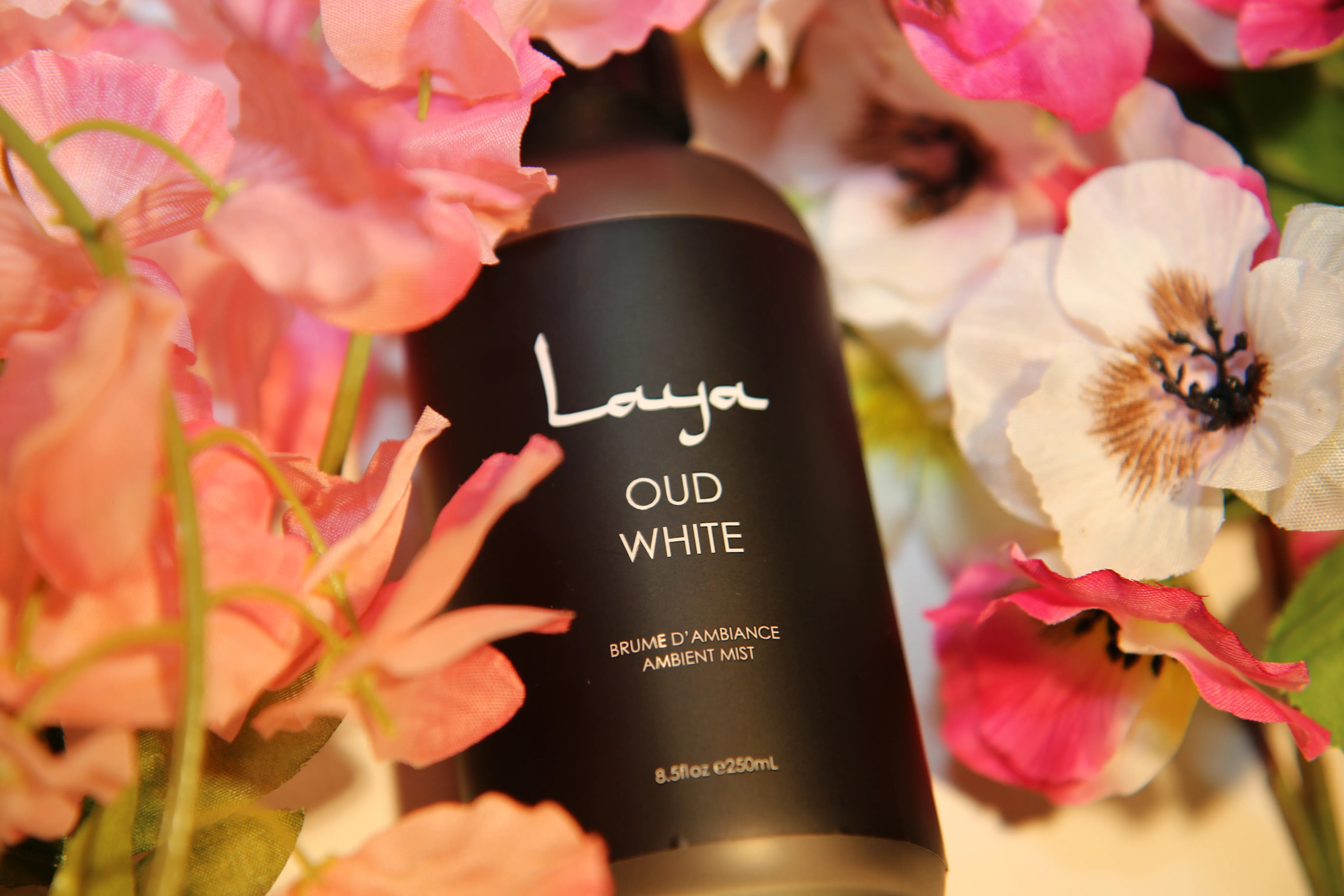
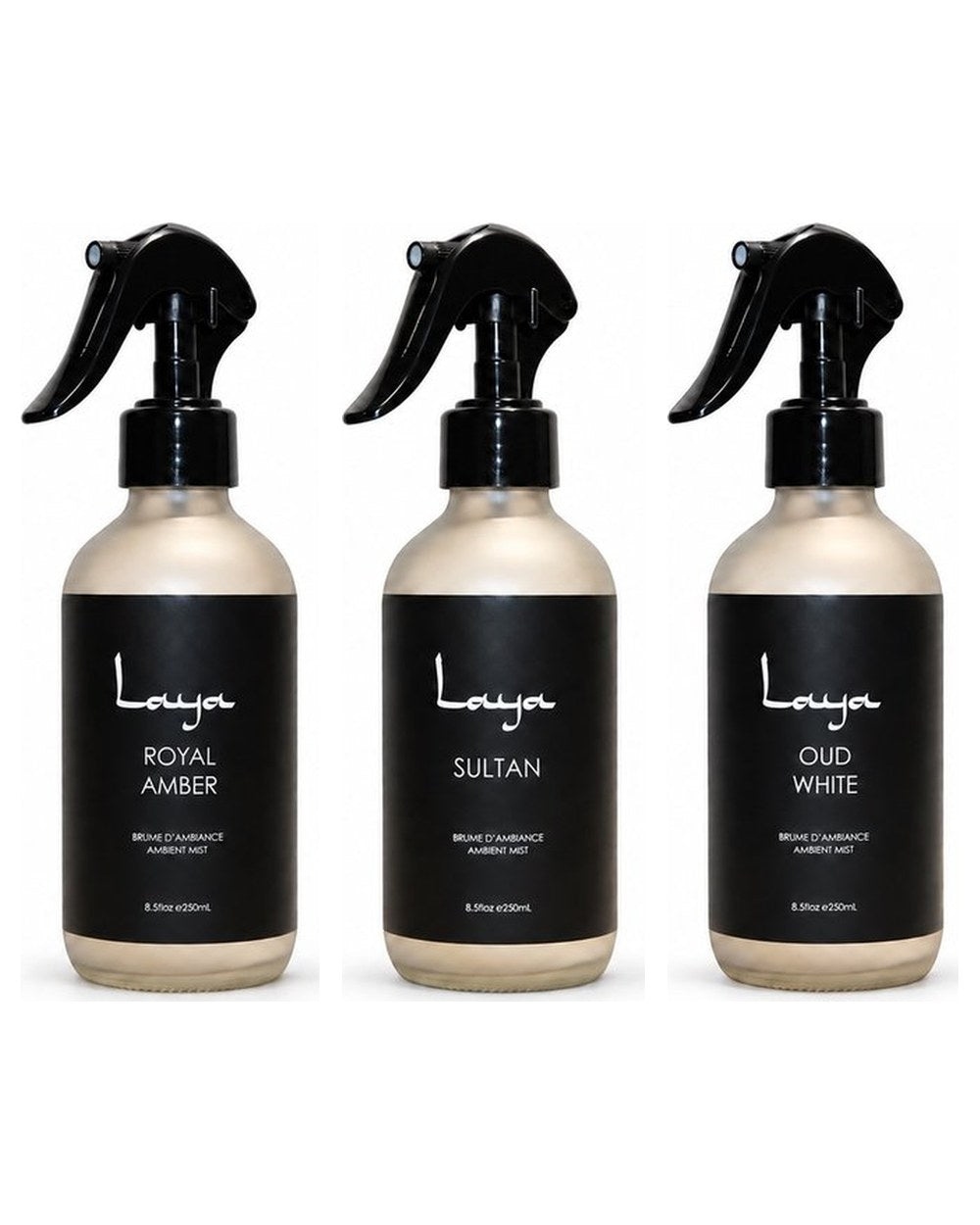
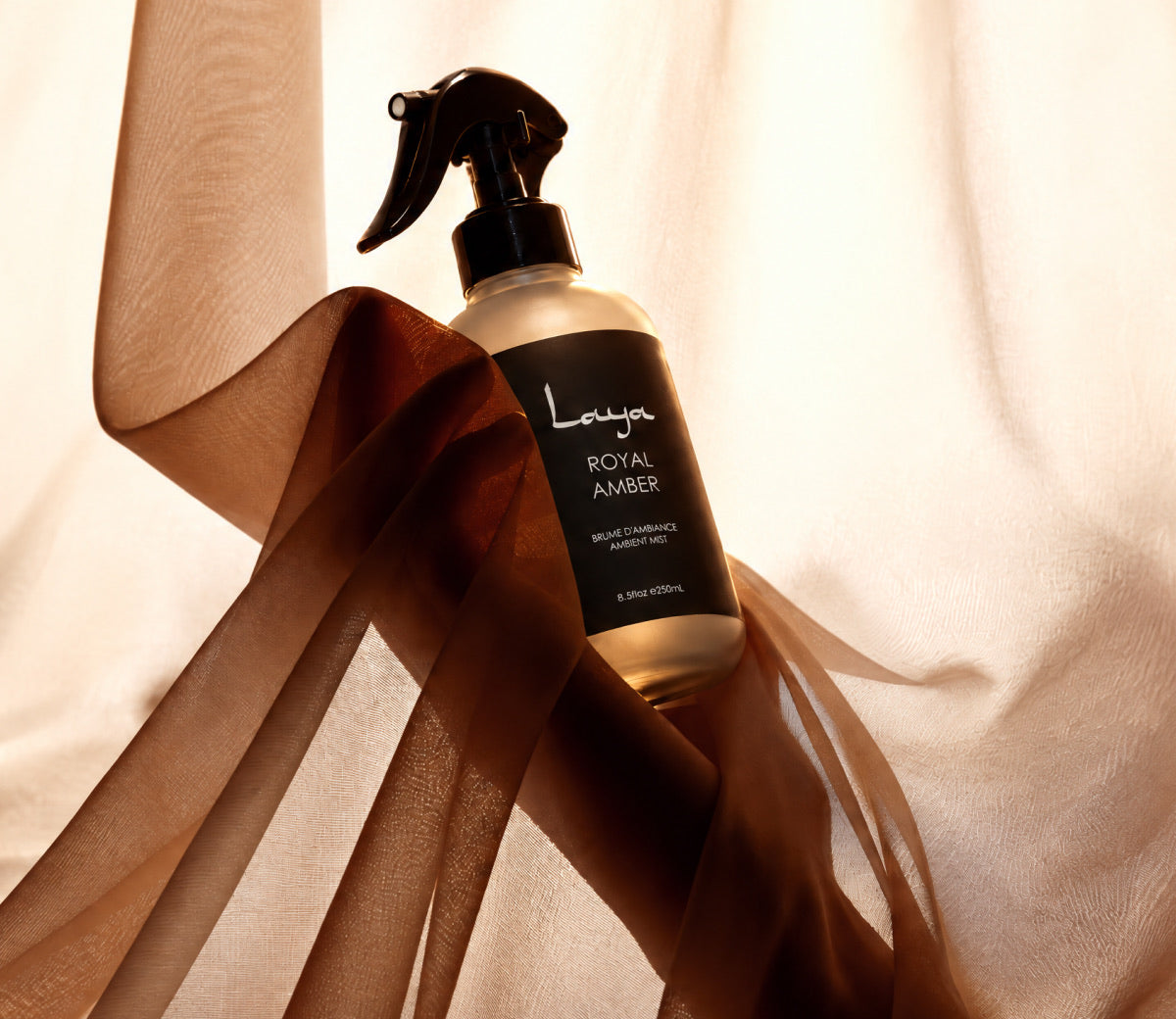
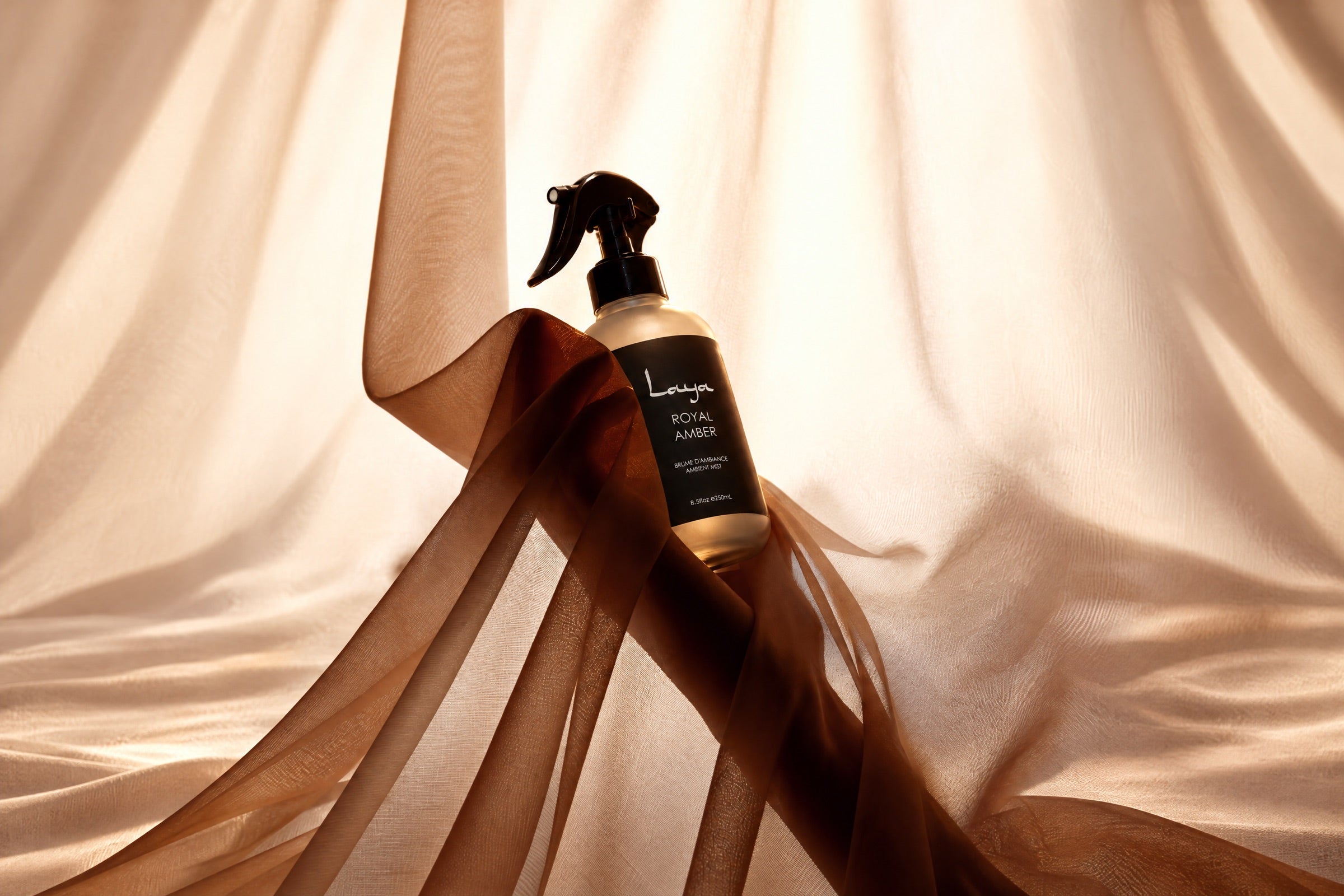
Different fragrance profiles can feel different at the same application level. Oud White, with white oud, soft musk and delicate florals, has a clean, refined character. Royal Amber, with caramel, vanilla and golden amber, is warmer and sweeter. Do not assume that your routine with one scent must be identical with another.
For detailed room-specific use, see our guide on how to use home spray. Always avoid spraying directly on delicate surfaces, screens or controls, and keep the product in its original container.
4. Adjust Concentrated Diffuser Oil Carefully
Laya’s concentrated diffuser oils are designed for fragrance-compatible diffusers. The correct amount and operating method depend on the device, so follow its manufacturer’s instructions. Reservoir size, diffusion technology and settings vary too widely for one universal number.
Start at the conservative end of the device guidance. Give the fragrance time to circulate before changing the amount or setting. A diffuser can create a steadier presence than a spray, so the experience after an hour may differ from the first few minutes.
Change one factor at a time. If you add more oil, move the diffuser and raise its setting simultaneously, you will not know which change produced the result. Make one adjustment, observe the room and reassess after leaving and re-entering.
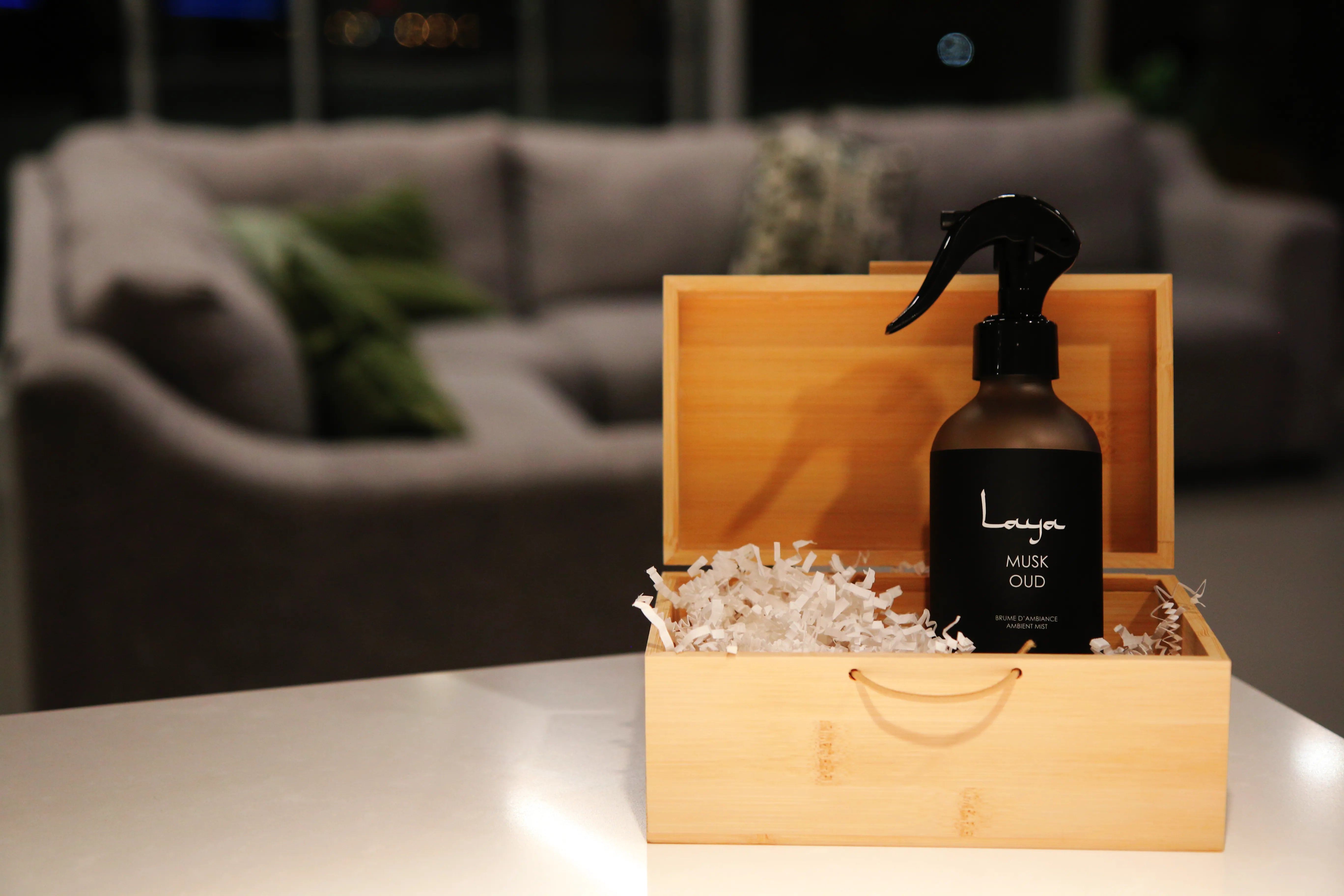
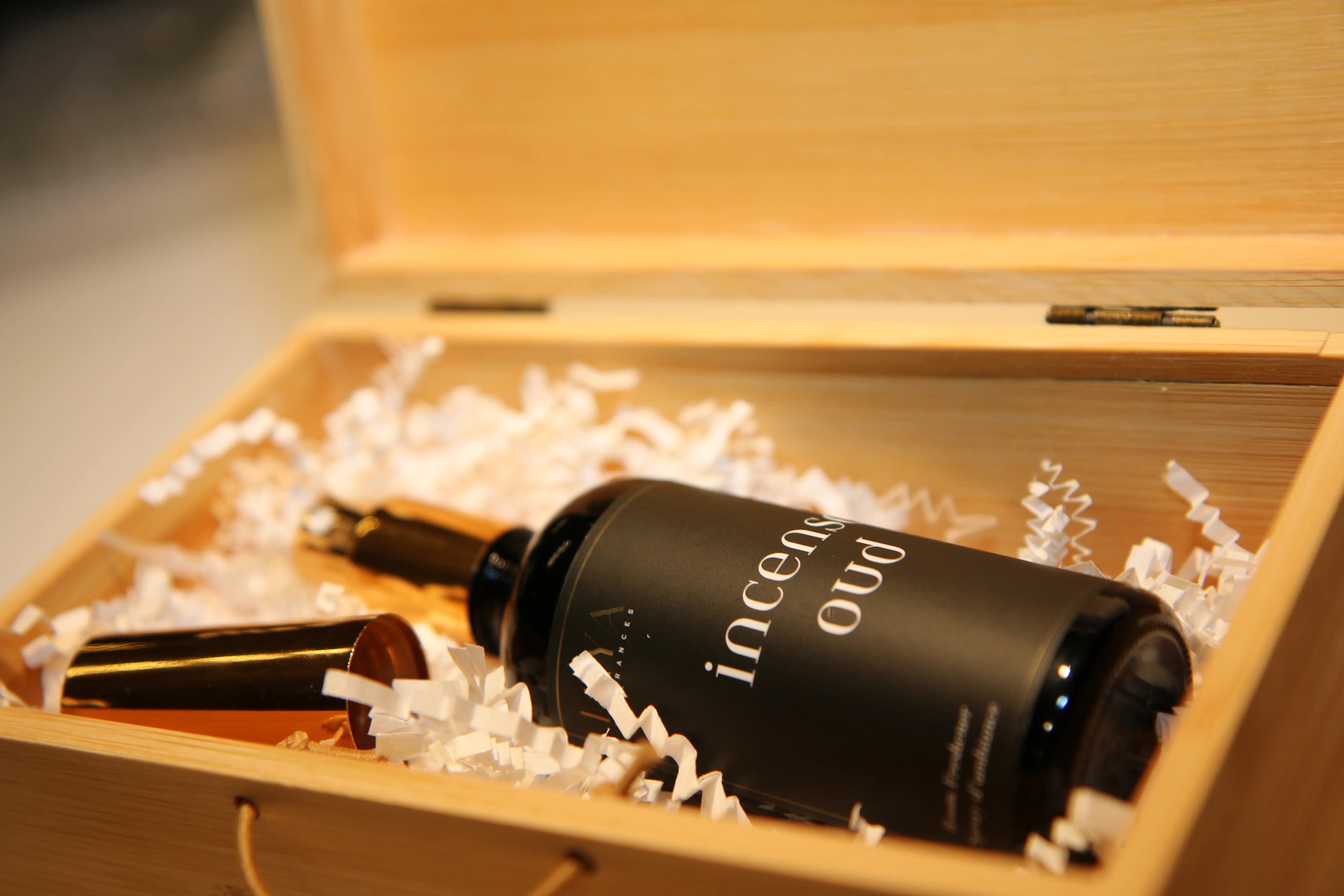
The scent profile matters here too. Sultan Diffuser Oil combines eucalyptus, fresh mint and herbal undertones for a crisp aromatic character. Musk Oud Diffuser Oil combines rich oud, warm musk and subtle florals for a warmer, enveloping mood. Begin lightly whenever you change profiles.
Do not pour new oil over old residue unless the device manufacturer explicitly permits mixing. When changing fragrance, let the previous scent fade and prepare the device according to its cleaning instructions. Our guide on changing home fragrance explains how to avoid accidental overlap.
5. Create a Repeatable Method for Adjusting Intensity
A simple method removes guesswork. First, choose one fragrance source. Second, begin with a light spray or conservative diffuser setting. Third, wait long enough for the format to settle. Fourth, leave the room and return. Finally, adjust only if the scent is genuinely too faint or too strong.
Record what works mentally or in a short note, especially for rooms used regularly. You may discover that the living room needs a different routine from the office, or that a diffuser works best at certain times while a spray is better for occasional moments.
Ask for another person’s perspective before adding more for guests. Someone entering with a fresh sense of smell can judge the room differently from the person who prepared it. Their response is useful evidence, not a universal rule; comfort and sensitivity vary.
Allow fragrance-free periods. Pausing the source can make the next use feel clearer and reduce the temptation to keep increasing intensity. If you want to use more than one profile, read the guide to layering home fragrances and treat the combination as a deliberate plan.
Keep home-fragrance products out of reach of children and pets. Do not ingest them or apply them to skin. Follow the product care information and the diffuser manufacturer’s directions. Correct use matters more than reaching a specific intensity.
Conclusion
The right amount of home fragrance is the lowest level that creates the atmosphere you want without taking over the room. Start lightly, consider the space and airflow, give each format time and make one adjustment at a time.
Explore Laya’s home sprays for flexible use and diffuser oils for compatible devices. Whether you choose clean Oud White, warm Musk Oud, sweet Royal Amber or fresh Sultan, a measured routine lets the fragrance keep its character.
Frequently Asked Questions
How many sprays should I use in a room?
There is no universal number because room size, airflow and fragrance profile differ. Begin with a light mist, wait, leave the room and return before deciding whether another application is needed.
How much diffuser oil should I add?
Follow the fragrance-compatible diffuser manufacturer’s instructions. Reservoir sizes and technologies vary, so use its guidance and begin conservatively rather than relying on a general amount.
Why can other people smell the fragrance when I cannot?
Olfactory adaptation may make a familiar aroma less noticeable to you. Leave the room for a period and return before adding more product.
Does a larger room always need more fragrance?
Not necessarily. Ceiling height, airflow, connected spaces, materials and source placement also influence intensity. Evaluate the whole room before increasing the amount.
Can I use home spray and diffuser oil together?
Yes, but introduce one source first and keep both restrained. Observe the room before adding the second so the combined result remains intentional rather than excessive.
Journal
Stories, rituals & scent notes


Follow us on Instagram
and be part of the Laya story
@layafragrances